• Bowel Surgery with Crohn and Ulcerative

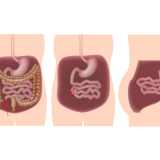
    Bowel Surgery takes place when bowel cancer begins in the larger bowel. It is among the most common kinds of cancer diagnosed in the UK. As per the Bowel Cancer in UK 1 in 15 men and 1 in 18 women will be suffering with bowel cancer 1 time at the time of their life. The majority of these persons are aged above 50 years, but it can also affect any person of any age.
  • Splenectomy

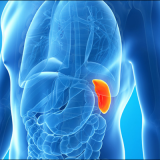
    Splenectomy is a surgical treatment for removing the spleen. The spleen is an organ that presents under the rib cage of the person on the top left side of the abdomen. It helps in fighting infection and filtered unrequited material like old and affected blood cells, from the person's blood.
  • Resection Surgery

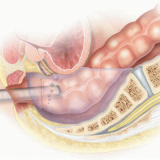
    Resections can be done on parts of the body more than the digestive tract as well. If there was a damaged area of the liver, a partial liver resection could be performed to bring out the bad tissue and put the good and healthy tissue of the liver in place. A lung resection would take out an area of damaged lung tissue.
  • Whipple Procedure

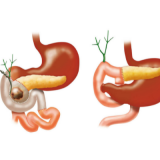
    The Whipple procedure is a surgically challenging operation, often containing open surgery. It includes the risk in both conditions, during and after surgery. Extensive research appears to show that surgeries are overcome in fewer complications when done by professional experienced surgeons at centers that perform most of these operations. A person doesn't hesitate to ask about his/her surgeon's and hospital's experience in Whipple treatments and other pancreatic operations. If a person has any doubts, he/she get a second opinion.
  • Gastrointestinal Perforation

    When you’ve had a gastrointestinal perforation and peritonitis occurs, the abdomen feels very tender. Pain often worsens when someone touches or palpates the area or when the patient moves. Pain is generally better when lying still. The abdomen may stick outward farther than normal and feel hard.
  • Pancreatitis

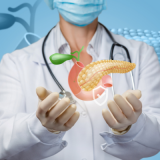
    Pancreas is an abdominal organ situated at the back of the stomach and surrounded by spleen, small intestine and liver. It is an essential part of the digestive system and has a reason to regulate blood sugar levels. The pancreas secretes digestive enzymes like amylase, lipase and proteases into the duodenum. These enzymes help to digest sugar fat and proteins respectively. Islets of Langerhans are embedded in the pancreas for hormone secretion like:- insulin and glucagon into the blood.
  • Stomach

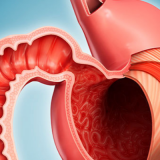
    The stomach is a muscular organ which is present in our upper abdomen. If we were to present it on our bodies, it can be available on our left side just after the ribs. In basic terms, the stomach is a type of digestive sac. It is a continuation of the esophagus and consumes our churned food from it. Therefore, the stomach provides a kind of relationship between the esophagus and the small intestine, and is a defined pit which stops along the person's alimentary canal.

  • Liver abscess

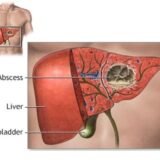
    The most common type of liver abscess is caused by bacterial or parasitic infection. Bacterial liver abscess is often called pyogenic liver abscess. Microscopic organisms called amebas, which cause the intestinal disorder amebic dysentery, can also cause amebic liver abscess.
  • Polyps Surgery

    Polypectomy is the surgery performed for removing the polyp. The most common kinds of polypectomy are:- uterine polypectomy and colon polypectomy. However, a polypectomy can be done on any part of the body which builds polyps like the nose and stomach. Polyps are common, and most people don’t understand they have them. Between 20-30 ℅ of Americans suffer from colon polyps. Uterine polyps become more common in aged womans, and are highly prevalent in menopausal women. Only 3-5 ℅ of them are cancerous.
  • Sinus surgery

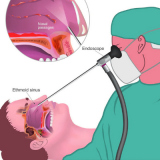
    Sinuses are cavities present in a person’s skull which are located around the eyes and nose and within the front of the face. These cavities help in making the skull lighter. They also form mucus which adds moisture to the nasal passages. The mucus gives a protective layer for helping to stay away unwanted particles such as:- pollutants, infectious organisms and dirt. Sinuses are lined with cilia, which are very accurate hair-type cells. The cilia help in draining mucus from the passages of the sinuses and bring it out into the nose.