













Cancer Surgery – Comprehensive Surgical Oncology Care at Nirogya Healthcare
Cancer is one of the most challenging health conditions faced worldwide. It arises when abnormal cells grow uncontrollably, invading surrounding tissues and potentially spreading to other parts of the body. While advances in medicine have introduced numerous treatment modalities — including chemotherapy, radiation therapy, and immunotherapy — Cancer Surgery remains a cornerstone of effective cancer care.
At Nirogya Healthcare, our Cancer Surgery (Surgical Oncology) division offers world-class surgical management for a wide range of cancers. Our goal is to provide personalized, evidence-based, and compassionate care that maximizes outcomes and improves quality of life.

What is Cancer Surgery?
Cancer Surgery refers to surgical procedures performed with the aim of:
-
Removing cancerous tumors
-
Reducing tumor burden
-
Preventing cancer spread
-
Diagnosing cancer through tissue sampling
-
Relieving symptoms caused by tumors
Unlike routine surgery, cancer surgery requires specialized skills in oncology and a deep understanding of how tumors behave in different tissues and organs. This specialty is also known as Surgical Oncology.
The Role of Surgery in Cancer Treatment
Surgery plays several critical roles in cancer care:
1. Curative Surgery
When cancer is localized and hasn’t spread extensively, surgical excision of tumors can be curative, meaning it removes all detectable cancer tissue.
2. Diagnostic Surgery
Sometimes, imaging alone cannot confirm cancer. In such cases, surgeons perform biopsies — removing a portion of tissue for pathological examination to establish a definitive diagnosis.
3. Debulking Surgery
If a tumor is too large or entwined with critical structures, a surgeon may remove as much of it as possible. This is known as debulking and can make other treatments (like chemotherapy or radiation) more effective.
4. Palliative Surgery
When cure is not possible, surgery may still be offered to relieve pain, bleeding, compression, or obstruction, enhancing patient comfort and quality of life.
5. Reconstructive Surgery
After tumor removal, reconstructive methods may restore form and function. This is particularly vital in cancers involving the breast, head and neck, and limbs.
Common Cancers Treated with Surgery
At Nirogya Healthcare, our surgical oncology team manages a broad range of cancers, including but not limited to:
1. Breast Cancer
Surgical options may include lumpectomy (tumor removal), mastectomy (whole breast removal), and reconstructive procedures.
2. Gastrointestinal Cancers
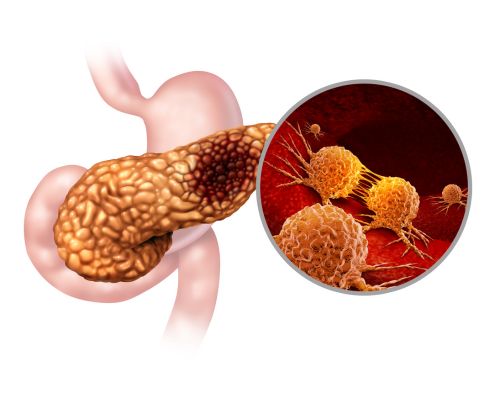
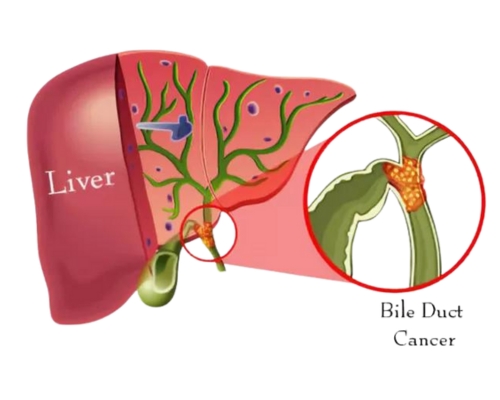
Surgeries for cancers of the stomach, colon, rectum, liver, pancreas, and esophagus often require advanced techniques to ensure complete tumor removal while preserving function.
3. Gynecologic Cancers
Ovarian, uterine, and cervical cancers may require hysterectomy, lymph node dissection, or radical resections.
4. Head and Neck Cancers
These involve complex anatomy and vital functions like speech and swallowing. Surgical care often integrates reconstruction and rehabilitation.
5. Lung and Thoracic Cancers
Tumor removal in the lungs and chest cavity may involve lobectomy, pneumonectomy, or minimally invasive thoracoscopic techniques.
6. Urological Cancers
Prostate, kidney, bladder, and testicular cancers often require surgery as part of curative or combined treatment regimens.
7. Skin Cancers
Basal cell carcinoma, squamous cell carcinoma, and melanoma are frequently managed surgically, with emphasis on clear margins and cosmetic outcome.
Why Choose Nirogya Healthcare for Cancer Surgery?
Choosing where to undergo cancer surgery is one of the most important decisions you’ll make in your treatment journey. At Nirogya Healthcare, you benefit from:
✔ Experienced Surgical Oncology Team
Our surgeons are trained in the latest oncologic techniques and bring years of expertise in complex cancer care.
✔ State-of-the-Art Facilities
Modern operating theaters, advanced imaging, and enhanced recovery protocols ensure safety and precision.
✔ Comprehensive Multidisciplinary Care
Collaboration across specialties delivers treatment plans that are evidence-based and patient-centered.
✔ Personalized Patient Experience
We recognize that each patient is unique — and so is their cancer. Every treatment plan is tailored to your specific needs.
✔ Focus on Quality of Life
Our goal is not just to treat cancer, but to help you live well during and after treatment.