• Ovarian Cyst Surgery

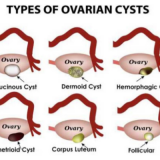
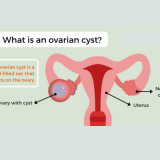
    Ovarian cyst surgery is a process which is used for removing the ovarian cysts and fluid-filled sacs which develop on the ovaries. Women form cysts naturally as they get old, but cysts can also be recognized with ovarian cancer, endometriosis and polycystic ovarian syndrome or PCOS. Your doctor may prefer surgery if the size of cysts are highly large, or are occuring problems which are cancerous. The surgery can be performed by laparoscopy, which is done through small incisions and a camera and by laparotomy, in which an incision is built in the abdomen for accessing the cysts.
  • Fibroid Removal Surgery

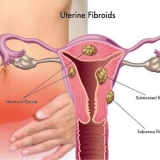
    Selecting to have fibroid surgery is never an easy decision. We give you the resources to build a well-professionalized choice for the treatment. We are also specialized with the latest technologies, so our patients can have a variety of options to select from. If a person needs surgery, we take out only the fibroids whenever possible.
  • Ovarian Cysts

    Most ovarian cysts are benign and normally treated on their own without any treatment. These cysts form little, if any, signs. But in 1 in 70 cases, the doctor may find a cancerous cystic ovarian mass at the period of routine examination. Some women develop a disease called polycystic ovary syndrome. This disease means the ovaries include a large number of small cysts. It can form the ovaries to enlarge. If left uncured, polycystic ovaries can occur infertile.
  • Hysterectomy

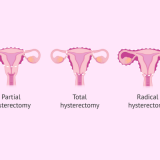
    Hysterectomy for non-cancerous disorders is usually recommended only when all other processes approaches have been tried without success. The hysterectomy procedure will partially determine healing period and the form of scar, if any, that remained after the surgery.To do an abdominal hysterectomy, a doctor makes a 5 to 7 inch incision, either up and down and side to side, around the belly. The surgeon then brings out the uterus through this incision. During an abdominal hysterectomy, a person will generally spend two or three days in the hospital. There is also after healing, a shown scar at the situation of the incision.

  • Nephrectomy

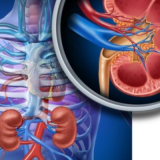
    Nephrectomy is also performed to bring out a healthy kidney from a donor who can be living and deceased for transplantation. Thousands of nephrectomies are done each year in the U.S. The risks to donor health and nephrectomy for kidney transplantation are very less. This is likely as almost all living donors firstly go for pre-op testing carefully and evaluation to prove that they are healthy enough for the kidney transplantation.
  • Phimosis

    Phimosis explains a disorder in which the foreskin is highly tight to be pulled back across the head and glans of the penis. In adults, there are a variety of risk factors and occurrences of phimosis, though it just tends to be a condition if it forms signs and symptoms. The foreskin can be pulled back in over 50 percent of 1 year old boys, and over 90 percent of 3 year olds behind the glans. Phimosis will form in a minimum of one percent of teenagers between the age of 16 to 18.
  • Hydrocele

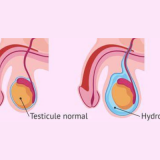
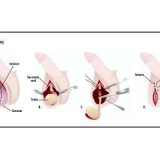
    A hydrocele can be caused before birth. Generally, the testicles descend from the newly developed baby's abdominal cavity into the scrotum. A sac accompanied each testicle and allowed fluid to over the testicles. Usually, each sac is near to each other and the fluid is obtained.The fluid is generally soaked gradually within the starting year of life. But occasionally, the sac remained open. The sac can change its size and in case the scrotal sac is compressed, fluid can fall back into the abdomen. Communicating hydroceles are often recognized with inguinal hernia.
  • Orchidectomy

    Orchiectomy is the type of surgery which is used for removing one and both testicles, or testes, from the body of a human male. It is also known as orchidectomy, usually in British publications. An orchiectomy is sometimes performed to avoid cancer when an undescended testicle is caused to a patient who is beyond the age of puberty. A bilateral orchiectomy is scientifically caused as a single stage in male to female or MTF gender reassignment operation. It is performed both to decrease the male hormone levels in the patient's body and to make the genital area for later surgeries for constructing a vagina and external female genitalia.
  • Circumcision

    Circumcision is a type of surgery process used for removing the foreskin, the skin that packs the tip of the penis. The AAP does not prefer routine circumcision. However, they said that due to the possible advantai, parents must have the choice to circumcise their sons if they wish to. They preferred that parents discuss circumcision with their baby's health care server. Parents must develop their decision based upon the advantages and risks, as well as their itself religions, culture and personal preferences.
  • Sample

    Lorem ipsum dolor sit amet, consectetur adipiscing elit. Quisque eu imperdiet dui. Mauris tristique ac purus eu fringilla, pellentesque habitant morbi tristique.