






Laparoscopic Surgery – Minimally Invasive Precision at Nirogya Healthcare
Laparoscopic surgery, often referred to as minimally invasive surgery (MIS) or keyhole surgery, represents a major advancement in surgical care. Over the last few decades, it has transformed how many surgical conditions are treated — reducing pain, lowering risk, shortening hospital stays, and speeding up recovery for patients.
At Nirogya Healthcare, our laparoscopic surgery program is designed to provide safe, precise, and effective surgical treatment for a wide range of conditions — including those related to both general health and cancer care. With a focus on personalized care, advanced technology, and clinical excellence, we ensure patients receive the best outcomes with minimal disruption to their lives.
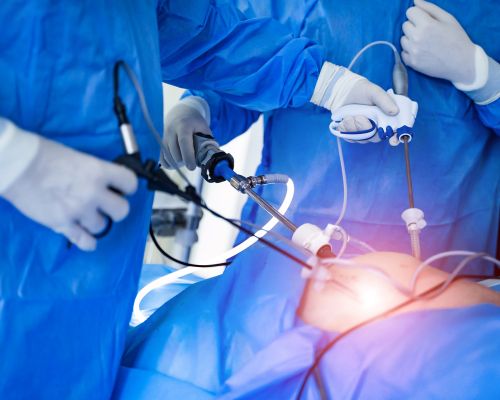
What is Laparoscopic Surgery?
Laparoscopic surgery is a modern surgical technique in which operations are performed through small incisions (usually 0.5–1.5 cm) rather than large cuts used in traditional open surgery.
During the procedure:
-
A laparoscope — a thin instrument with a high-resolution camera — is inserted through a small incision to visualize internal organs.
-
Surgical instruments are introduced through additional small ports under camera guidance.
-
Surgeons work while watching a magnified view of the internal structures on high-definition monitors.
This approach enables precise surgical intervention without the need for long incisions, offering significant benefits in terms of recovery and patient comfort.
Benefits of Laparoscopic Surgery
Compared to traditional open surgery, laparoscopic surgery offers numerous advantages:
1. Smaller Incisions
Tiny cuts mean less trauma to surrounding muscles and tissues.
2. Less Pain
Smaller wounds result in significantly less postoperative discomfort, reducing reliance on strong pain medications.
3. Faster Recovery
Patients often return to normal activities much sooner — sometimes within just days.
4. Shorter Hospital Stay
Many laparoscopic procedures are performed on a day-care or short-stay basis.
5. Reduced Scarring
Minimal incisions lead to cosmetically favorable outcomes.
6. Lower Risk of Infection
Small wounds decrease exposure to bacteria and surgical trauma.
7. Better Visualization
Magnified video images help surgeons see structures clearly, improving surgical precision.
Common Conditions Treated with Laparoscopic Surgery
Laparoscopic techniques are versatile and applied in many areas:
1. Gallbladder Disease
Removal of the gallbladder (cholecystectomy) for gallstones or inflammation.
2. Hernia Repair
Repairing inguinal, umbilical, or incisional hernias with minimal invasion.
3. Appendix Removal (Appendectomy)
Treating acute appendicitis.
4. Gastrointestinal Conditions
Procedures on the stomach, small intestine, colon, and rectum — including resections for benign or malignant disease.
5. Gynecologic Surgery
Treatment of ovarian cysts, endometriosis, fibroids, and other reproductive organ conditions.
6. Bariatric (Weight-Loss) Surgery
Performed for obesity management (e.g., gastric sleeve, gastric bypass).
7. Diagnostic Laparoscopy
Evaluating unexplained pain, infertility, or abnormalities detected on imaging.
8. Urologic Surgery
Procedures on the kidneys, ureters, or bladder.
9. Cancer Surgery
Laparoscopic techniques increasingly support cancer care — enabling precise tumor removal and lymph node assessment in selected cases.
Technology and Innovation at Nirogya Healthcare
We utilize cutting-edge laparoscopic tools, including:
High-Definition Visualization
Crystal-clear imaging allows surgeons to see minute anatomical details.
Energy Devices
Advanced devices help seal vessels and tissues precisely with minimal thermal spread.
Specialized Instruments
Designed for ergonomics and control in tight spaces.
Enhanced Recovery Protocols
Postoperative care pathways optimized for early mobility, pain control, and functional recovery.